


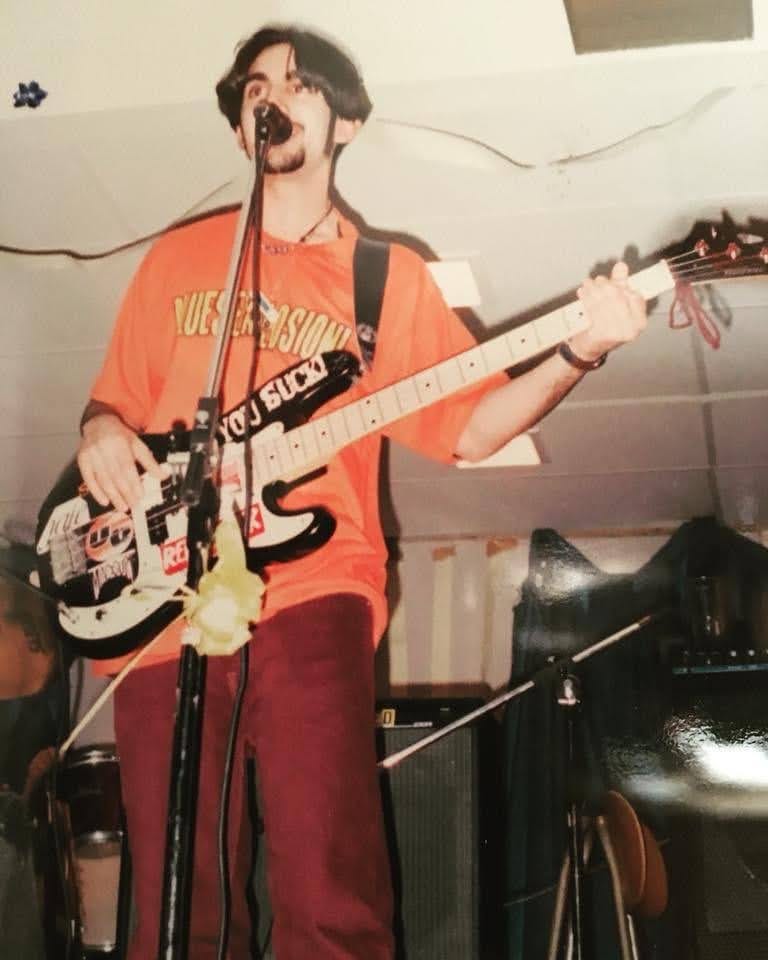
I came back from my family trip to India in February 1997 carrying a student model sitar in a cardboard box, a Ravi Shankar cassette my aunt gave to me, and a “Teach Yourself Sitar” instruction booklet. I also carried something less tangible: a feeling that part of me had finally woken up. But being back in Canada, that feeling didn’t have anywhere to go.
As I mentioned in my last article, I’ve had a hard time feeling like I belong anywhere. Not Indian enough, not Canadian enough, not Quebecois enough. It’s a chronic thing, I think, being the son of immigrants. You float between worlds and none of them fully claim you. India had started to fill a void I didn’t know I had, but now I was home, and I had this instrument I barely knew how to hold and no one to teach me how to play it.
This was 1997. There was no YouTube and a nascent internet. I didn’t know a single person who could play sitar. I had the cassette and the sitar for dummies booklet. It gave me names of the strings and what to tune them to, and that was about it. So I turned to Pt. Ravi Shankar for guidance. His Sa (main key) was in D (or close to that) and I just started to listen and play along picking up out motifs here and there. I developed my own (poor) technique, doing only downstrokes, resting the sitar on the floor instead of on my foot. I felt like an island, slowly chipping away at this thing with no map and no guide.
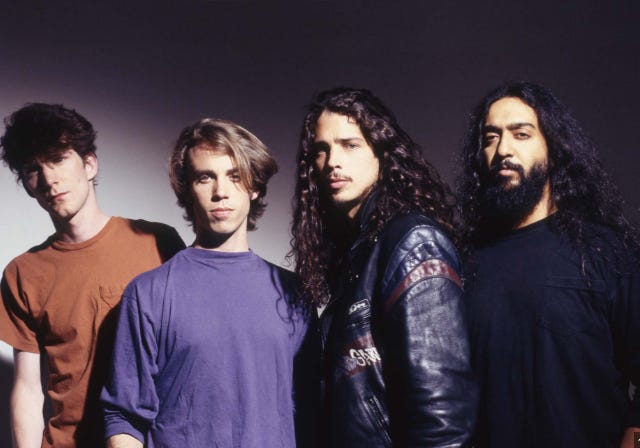
Growing up, I never saw myself in the bands I loved. It was mostly all white guys. That was just the reality of rock music as I knew it. The first time that changed was Soundgarden. Kim Thayil was Indian and a badass. Something shifted in me. It was like, oh, someone who looks like me can do this too and not just be an engineer/lawyer/doctor.
That September, Cornershop released “When I Was Born for the 7th Time,” and it changed everything. I remember putting it on and being floored by the opening track. The harmonium intro of “Sleep on the Left Side” made sense. I couldn’t believe what I was hearing. Here was a rock album that opened with something so specifically tied to the world I come from.
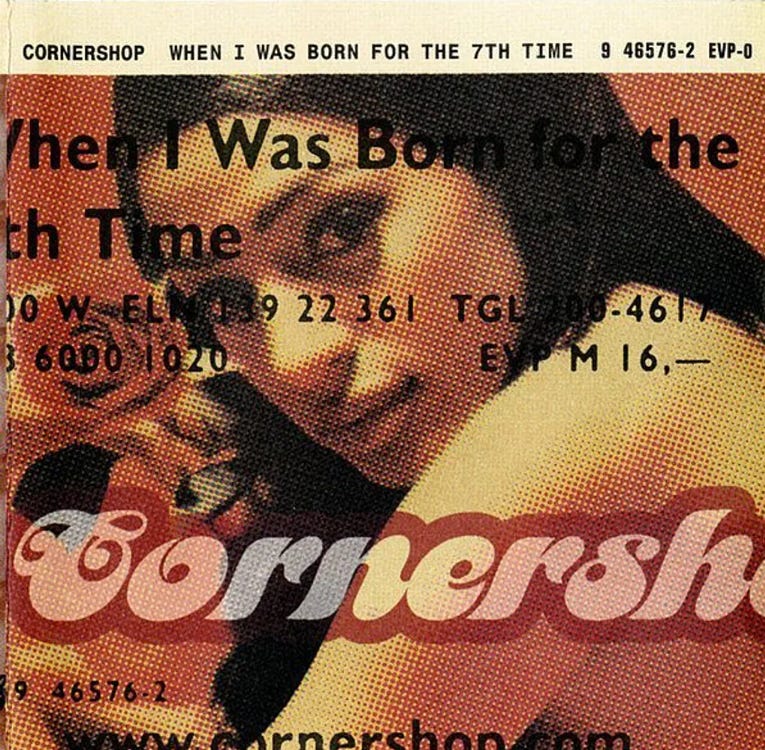
And it just kept going. “Brimful of Asha” was Velvet Underground-y pop, infectious and joyful. But deeper into the record, it started going somwhere else entirely. “When the Light Appears Boy” featured Allen Ginsberg reading a poem over field recordings from Punjab. And then the album closes with a cover of the Beatles “Norwegian Wood,” sung entirely in Punjabi. I remember hearing that and thinking, what is this? It was like pop colonialism folding back on itself.
I played the album for my parents. Up until that point, the music I’d been listening to was the Pixies, Teenage Fanclub, Nirvana, Urge Overkill (hello 90s!). Nothing they could really connect with or stand. But when they heard this, something shifted. I think they were proud. Maybe they saw some hope in me, in who I might become.
And then there was “We’re in Yr Corner,” which featured Tjinder singing in Punjabi over sitar and tanpura. That sitar part buried itself in my brain. Years later, it would eventually find its way, subconsciously, into the ending of Elephant Stone’s “Don’t You Know.” But at the time, I didn’t know any of that was coming. I was just a kid sitting alone with a sitar and cassette, and this album was telling me something I desperately needed to hear.
Thanks for sharing. As a diasporic Desi music geek who also grew up in the 80s and 90s between India and the US... I relate to this SO HARD. And, being raised female and being queer added whole other levels of unbelonging to all the worlds I bumped up against. BTW have you heard Charanjit Singh's "Ten Ragas to a Disco Beat"?
Can't i suggest you a version quite fantastic of Norwegien Wood the nicest for me....by Frank Marino....❤️when i love a song all version interest me lol maybe it is the same for you. https://open.spotify.com/track/6jws8mKYEmogGiYYC0Jn2E?si=4ri8YpC5QZChXsOfLGFjOw